Beha’alotekha [1] (בְּהַעֲלֹתְךָ– “when you cause to ascend”)
Numbers 8:1–12:16 • Zechariah 2:14–4:7
The parashah opens with the lighting of the Menorah and the institution of the service of the Levites. It continues with the account of the Passover celebrated in the wilderness [2] and the establishment of Pesach Sheni, then describes the first movements of the people, guided by the divine cloud. The Sages of the Second Temple period [3] chose this haftarah because it evokes the vision of the golden Menorah.
Numbers 8:2
בְּהַעֲלֹתְךָ, אֶת-הַנֵּרֹת, אֶל-מוּל פְּנֵי הַמְּנוֹרָה, יָאִירוּ שִׁבְעַת הַנֵּרוֹת
“When you cause the lamps to ascend, the seven lamps shall give light toward the front of the Menorah.”
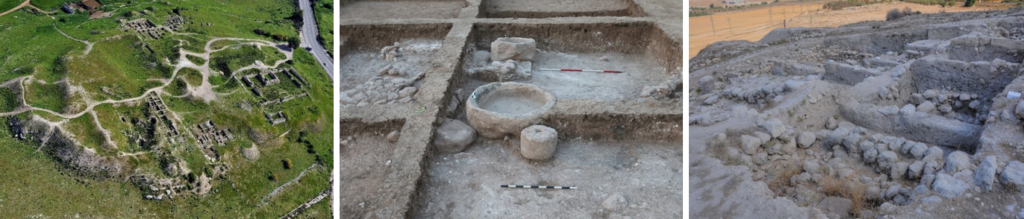
Located in the fertile Sorek Valley, Tel Beit Shemesh [4] benefits from an environment particularly favorable to olive cultivation. Excavations conducted between 1990 and 2010 by Bunimovitz and Lederman [5] highlight the importance of olive‑pressing installations dating to the First Temple period (8th–7th c. BCE): massive grinding stones, collection basins, and settling vats. These discoveries confirm large‑scale oil production intended for daily use, for the regional economy, and for supplying the Temple in Jerusalem.
Research carried out at the foot of the tell also reveals an oil‑production center active under the Assyrians and later the Babylonians, showing the continuity of this activity even under foreign rule.
[1] Due to the shift created when the second day of Yom Tov fell on Shabbat. In the diaspora, the parashah read is Nasso.
[2] “Passover in the wilderness” refers to the first celebration of Passover after the Exodus, one year later, while the Israelites were encamped at Sinai (Numbers 9:1–14). It was the only Passover celebration during the forty years of wandering.
[3] The Sages of the Second Temple period (1st c. BCE – 1st c. CE): primarily the soferim (scribes) and the Pharisees, forerunners of rabbinic Judaism, who organized religious life at the end of the Second Temple era. It is during this period that the haftarah liturgy was established.
[4] Beit Shemesh appears as one of the cities assigned to the Levites (Joshua 21:16) and as a strategic location, notably in the account of the return of the Ark of the Covenant by the Philistines (1 Samuel 6:13).
[5] Shlomo Bunimovitz (1952–): Israeli archaeologist, professor at Tel Aviv University, specialist in Iron Age Judah and Judean–Philistine relations. Zvi Lederman (1948–): Israeli archaeologist at Tel Aviv University, specialist in ancient agricultural systems and the economy of oil and wine.